
Behaviour at St John's

The Soil - Why a trauma informed school?
Providing the research and influences that give us our significant understanding of child development and neuroscience, which provides the underlying reason why a trauma informed approach allows any children to flourish and succeed to the best of their ability.
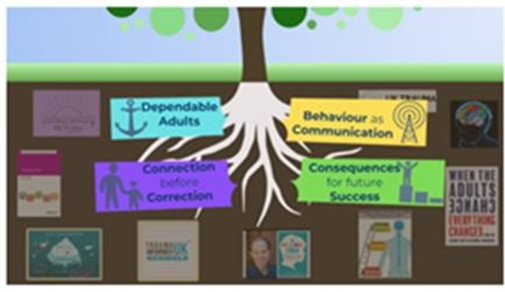
The Roots - The way we do it
Establishing the four fundamental elements of a trauma informed culture, drawing from the evidence based research of the soil. This promotes excellent visible demonstrations of trauma informed approaches.
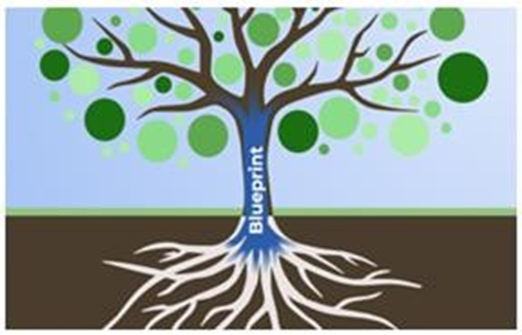
The Trunk - The way we do it at St John’s
The tree is held together by the trunk, which is our behaviour blueprint. The blueprint is a 1 page document stating clear guidelines of the way we approach behaviour at St Johns. It is a live document and our adult consistencies will reflect an area of behaviour we would like to work together to change.
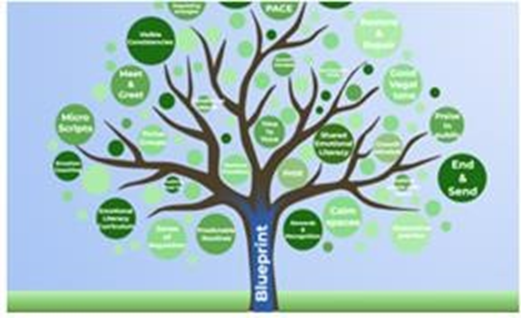
The Leaves - What we will see
The leaves are the visible consistent and predictable practices shown by all adults across the school. These will include different elements of trauma informed approaches and strategies.
Our Approach to Behaviour at St John’s
At St John’s, we believe that positive behaviour grows from strong relationships and a supportive environment. Our approach is built around the idea that children learn best when they feel safe, valued and understood. We focus on helping children develop self-discipline, kindness and respect for others, rather than simply expecting them to follow rules without understanding why they matter.
We break down our approach to behaviour using the image of a tree. The soil represents the research and understanding of how children grow, learn and develop emotionally. The roots show the key ideas that guide our approach, such as understanding behaviour as communication and building strong relationships with children. The trunk represents our Behaviour Blueprint, which sets out the clear routines, expectations and support that all adults in school follow. Finally, the leaves are the everyday actions and behaviours you will see across the school, where children and adults work together in a calm, respectful and caring environment.
By growing this “tree” together, we create a school community where children feel supported, learn to manage their emotions, and develop the confidence and skills they need to make positive choices.
Our Three Expectations for Behaviour
At St John’s, we keep our behaviour expectations simple and clear so that every child understands what is expected of them. We call this “The St John’s Way.” Our three expectations are that everyone should be Ready, Respectful and Safe. These expectations help create a calm, positive environment where all children can learn and feel supported.
Being Ready means coming to school prepared to learn, listening carefully and trying our best in lessons. Being Respectful means showing kindness, good manners and consideration for other people, including classmates, staff and visitors. Being Safe means making choices that keep ourselves and others safe in the classroom, on the playground and around the school.
These three expectations are used throughout the school day. Staff regularly talk about them with children, model them in their own behaviour and celebrate when children show them. By keeping our expectations simple and consistent, we help children understand how to behave positively and become caring members of our school community.
Our Behaviour Blueprint
At St John’s, we follow a clear and consistent approach to behaviour called our Behaviour Blueprint. This helps all adults in the school respond to behaviour in the same calm and fair way. The blueprint gives staff simple guidance and shared language so that children always know what to expect.
The Behaviour Blueprint focuses on building strong relationships between adults and children. Staff aim to guide behaviour calmly and respectfully, helping children make better choices rather than feeling embarrassed or punished. When behaviour does not meet our expectations, adults use clear steps and supportive conversations to help children understand what happened and how they can do better next time.
This consistent approach helps children feel safe and supported. It also helps them learn important life skills such as taking responsibility for their actions, reflecting on their choices and learning how their behaviour affects others.
Rewards and Recognition
At St John’s, we believe it is important to notice and celebrate positive behaviour. We want children to feel proud of their efforts and achievements. Staff regularly praise children when they show our school expectations of being Ready, Respectful and Safe, as well as when they demonstrate our learning values such as perseverance, teamwork and ambition.
Children can receive recognition in many ways. This might include verbal praise from adults, stickers or certificates, and being celebrated in our school assemblies. Teachers also use recognition boards in the classroom to highlight positive behaviours and encourage children to work together as a team.
We also enjoy celebrating success with special moments such as Star of the Week (for children showing our Learning Values) and Hot Chocolate Friday (for children showing our Living Values). By celebrating positive choices, we encourage children to keep trying their best and to support one another in creating a happy and successful school community.
Zones of Regulation
At St John’s, we help children understand and manage their feelings using the Zones of Regulation. This approach teaches children that everyone experiences different emotions and that these feelings can affect how we behave. By learning about the different “zones”, children can begin to recognise how they are feeling and choose helpful ways to manage those feelings.
The zones use simple colours to describe different emotional states. For example, the Green Zone is when we feel calm, happy and ready to learn, while other zones help describe feelings such as worry, frustration, excitement or tiredness. Children learn that all feelings are normal, but that some feelings can make learning and relationships more difficult if we do not manage them well.
Staff support children in recognising their emotions and using strategies to help them return to a calm and ready-to-learn state. This might include talking to an adult, taking a short break, using calming techniques or reflecting on what they need. By learning these skills, children develop greater self-awareness and confidence in managing their emotions both in school and beyond.
Thrive at St John’s
At St John’s, we use the Thrive Approach to support children’s emotional wellbeing and help them feel ready to learn. Thrive is based on research about child development, relationships and how the brain grows and learns. It helps staff understand children’s feelings and behaviour so they can respond in supportive and caring ways.
We also use Thrive‑Online, a specialist online tool provided by Thrive. This helps staff assess children’s social and emotional development, understand their strengths and identify where extra support may be helpful. Using this information, staff can plan activities and strategies that help children build confidence, manage their emotions and develop positive relationships.
Thrive activities may take place in the classroom, in small groups or through one-to-one support with trained staff. By using the Thrive approach across the school, we aim to create a caring and supportive environment where every child feels safe, valued and ready to flourish in both their learning and their relationships.
Emotional Health and Wellbeing
At St John’s, we work closely with the North East London NHS Foundation Trust (NELFT) Emotional Wellbeing Team to support children’s emotional health and mental wellbeing. These specialist practitioners work with schools across Kent as part of a national programme known as Mental Health Support Teams, which aim to help children access the right support early and prevent difficulties from becoming bigger problems.
The Emotional Wellbeing Team supports our school in several ways. They help promote a whole-school approach to mental health, working with staff to build children’s understanding of emotions and wellbeing. They may also provide workshops, assemblies and resources that help children learn how to look after their mental health and build resilience.
In some cases, the team can also offer group sessions or short one-to-one support for children who may be experiencing worries, anxiety, low mood or challenges with confidence. They may also work with parents and carers to provide guidance and practical strategies that support children at home. By working in partnership with the Emotional Wellbeing Team, we aim to ensure that every child at St John’s feels supported, understood and able to thrive both in school and in their wider lives.