Falcon - Year 6
t
 Hello everyone! My name is Mr Mclean and I’m so excited to be teaching you all in Year 6 this year. Year 6 is one of my very favourite years to teach because you learn so much, grow so much, and get to enjoy lots of exciting opportunities – like our residential trip, the end-of-year production, and plenty of fun along the way!
Year 6 is also a really special year, as it’s your last one in primary school. I take that seriously and will do everything I can to help you feel ready for the big step into secondary school, while also making sure we have lots of fun together.
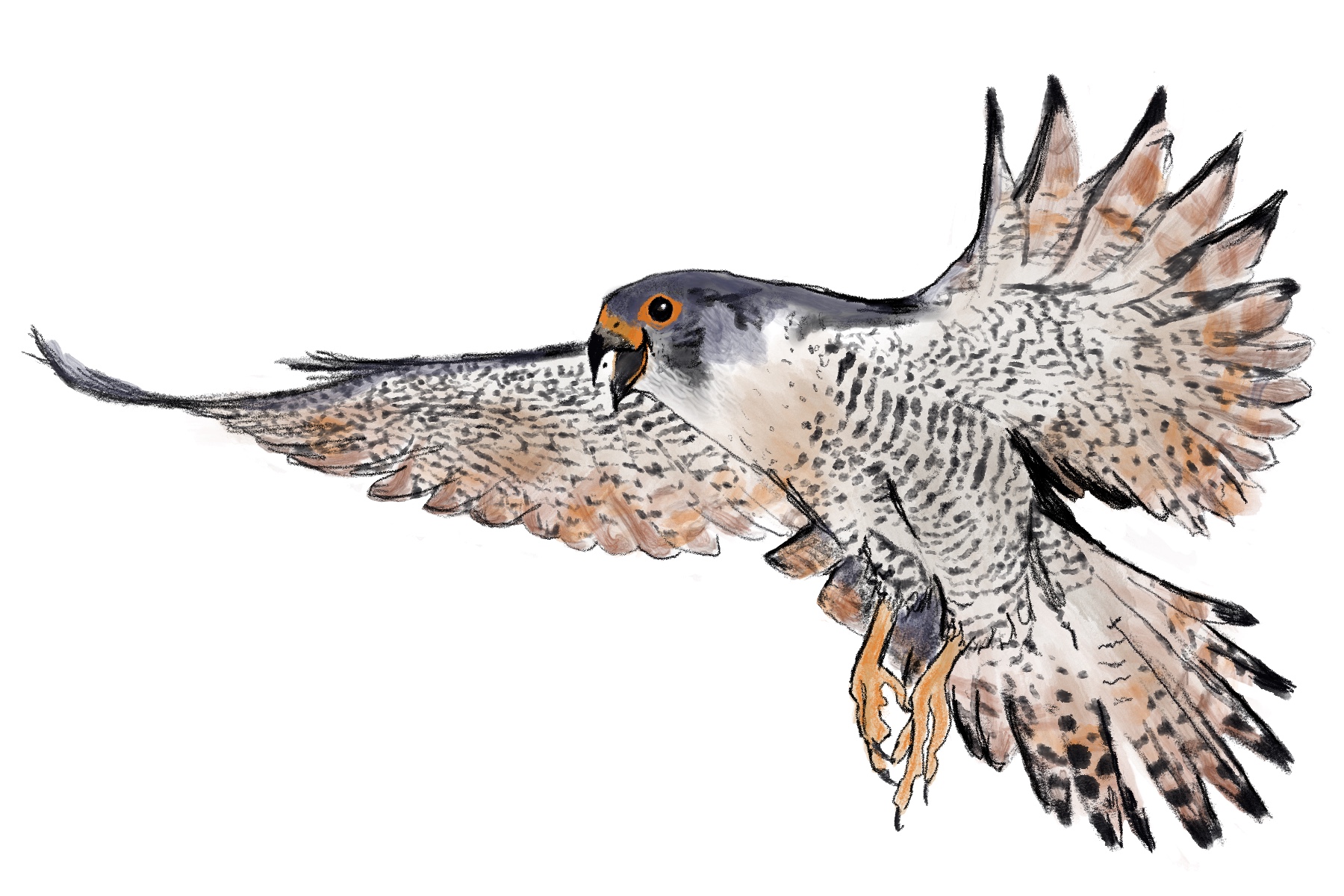
Since we’re Falcon Class, here’s a fun fact: did you know that falcons are the fastest animal in the world!? That's impressive! Just like falcons, I know we will be equally as impressive this year in our learning.
When I’m not in the classroom, I love watching football, reading and spending time with my family.
Other staff working in our class:
- Miss Baker
Our learning this term
English:
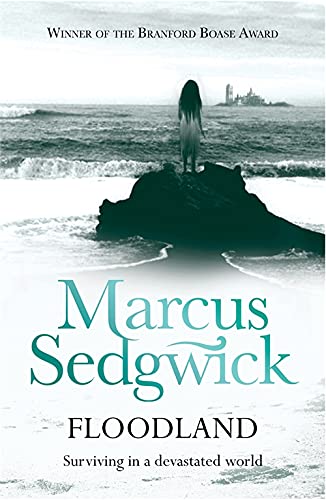 In English this term, Year 6 will be developing their skills as thoughtful, adaptable writers through a range of engaging units inspired by our class text, Floodland by Marcus Sedgwick. This atmospheric novel follows the protagonist, Zoe, as she navigates a perilous journey of survival in a flooded, dystopian landscape. Its gripping storyline provides rich opportunities for pupils to explore character, tension, and setting in depth.
Using Floodland as a stimulus, pupils will write diaries, narratives and discussion texts, carefully considering how language, structure, and tone shift depending on purpose and audience. Throughout the term, they will be encouraged to experiment with vocabulary choices, develop their use of figurative language, and refine their ability to write with clarity and control. We look forward to seeing the imaginative and sophisticated writing that Year 6 will produce.
Maths:
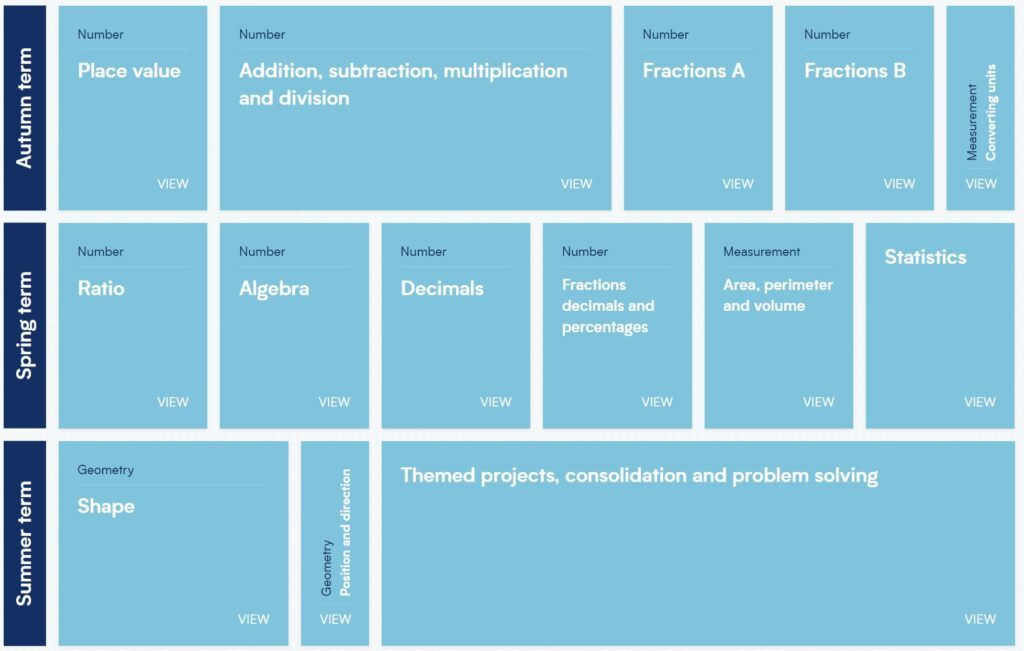
In Maths, pupils will be strengthening their understanding of number and place value, ensuring they have secure foundations before progressing to more complex problem‑solving later in the term. They will revisit key arithmetic skills and deepen their understanding of fraction and decimal equivalence, building confidence and fluency through regular practice.
Alongside this core learning, pupils will engage in structured reasoning activities designed to develop their ability to explain methods, justify decisions, and apply mathematical thinking in a range of contexts. Daily retrieval practice remains an important part of Year 6 learning as we revisit and revise previous learning.
History:
Our History topic this term, Education Through Time, invites pupils to explore how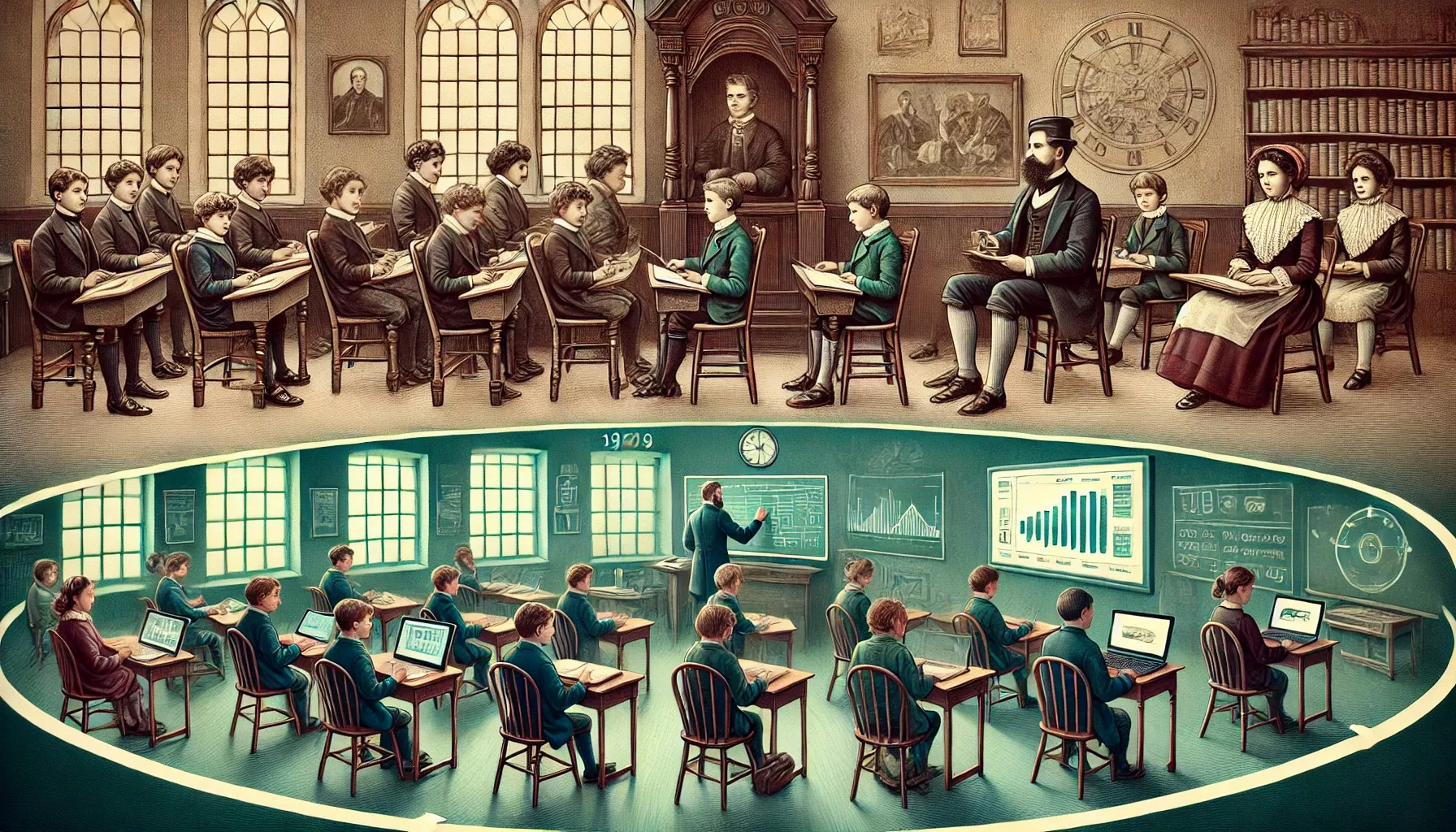
Through discussion, research, and source analysis, pupils will develop a deeper understanding of how education reflects wider societal values and how it has evolved to become the system we know today.
RE:
In RE, Year 6 will be exploring the big question: “Creation and Science: conflicting or complementary?” Through this unit, pupils will investigate Christian beliefs about Creation, considering what the Genesis story means to believers and how it shapes their understanding of the world. They will then explore scientific explanations, including evolution and natural processes, reflecting on how individuals may hold both religious and scientific viewpoints.
Through thoughtful discussion and critical thinking, pupils will evaluate how these perspectives can coexist and what this means for people’s beliefs today. This unit encourages pupils to engage respectfully with differing viewpoints while developing their own understanding of faith, science, and the nature of truth.

Science:
In Science, pupils will be studying Living Things and Their Habitats. This engaging unit explores classification, life cycles, and the diversity of living organisms. Pupils will learn how scientists group animals and plants, investigate similarities and differences between species, and develop an understanding of how environments support different forms of life. By the end of the unit, pupils will have strengthened their scientific enquiry skills and deepened their appreciation of the natural world.
Learning at home for Eagle Class:
- Reading
- Spelling shed: spellings are emailed home every Monday
- Times Tables Rockstars

Be ready for learning! In Falcons Class, your child will need to have these items in school:
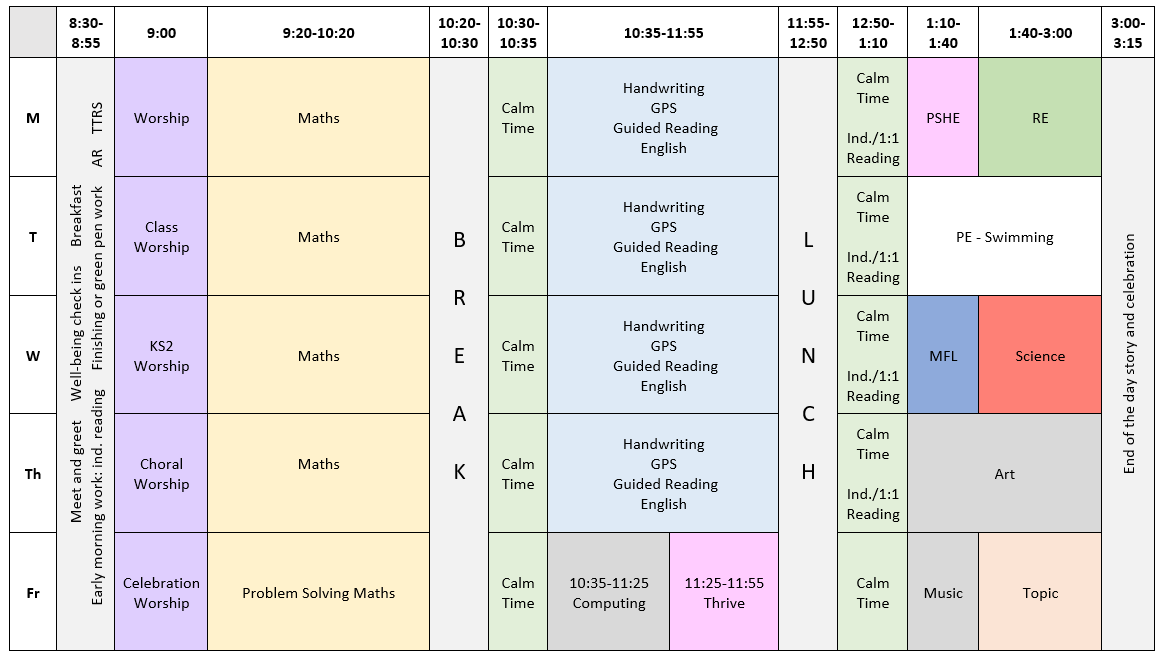
- PE - on Wednesday afternoons
- Water bottle (no squash or juice)
- Small rucksack (big enough to hold lunchbox and reading books)
- Wellington boots/spare shoes for field (to leave in school)
- Coat (weather appropriate)
Please don’t bring other items into school, as we do not have space to store them, and it can cause upset if things are lost or damaged.